
10% of South Korea’s Workforce Now Robotic: A Glimpse Into the Future of Automation
WORLD NEWS
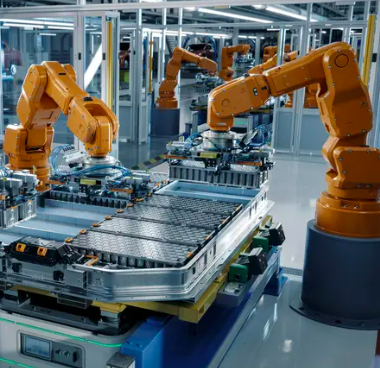
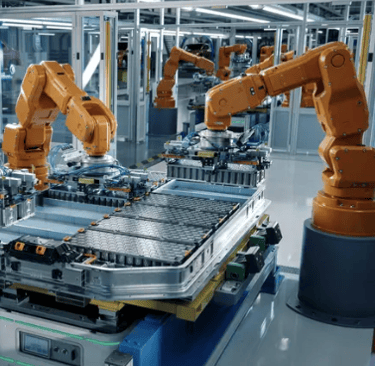
South Korea has long been a global leader in technological innovation, and the latest milestone in its automation journey is a remarkable one: 10% of the country’s workforce is now robotic. This development marks a significant shift in the nation's labor landscape, with robots playing an increasingly crucial role in industries ranging from manufacturing to services. The surge in automation is driven by South Korea's ambitious embrace of Industry 4.0 technologies, including robotics, artificial intelligence (AI), and the Internet of Things (IoT). Here’s a closer look at how this transformation is unfolding and its potential implications for the economy and society.
Robotics Integration: A Global Leader
South Korea has become one of the most automated countries in the world, with robots now handling a substantial portion of the country's labor force. According to a recent report by the International Federation of Robotics (IFR), South Korea leads the world in robot density, with an estimated 1,000 industrial robots per 10,000 employees—the highest rate globally. This figure is a direct reflection of the country’s widespread adoption of automation technologies.
The rise of robots in the workforce has been particularly evident in manufacturing sectors, where South Korea’s robust production of electronics, automobiles, and shipbuilding has provided a fertile ground for automation. Major corporations such as Samsung, Hyundai, and LG have been early adopters of industrial robots, implementing them in everything from assembly lines to logistics operations.
Robots in Key Sectors
The integration of robotics in South Korea spans multiple industries, but some sectors have seen a particularly large increase in robot adoption:
Manufacturing: South Korea’s manufacturing sector is by far the largest beneficiary of automation. Industrial robots are increasingly used in automobile production, electronics manufacturing, and shipbuilding. Robots perform repetitive tasks such as welding, painting, and assembling components, increasing efficiency and reducing human error.
Logistics and Warehousing: With the rise of e-commerce, robotic systems are revolutionizing the logistics and supply chain industries in South Korea. Autonomous guided vehicles (AGVs) and robots are being employed in warehouses and distribution centers, streamlining the process of inventory management and order fulfillment.
Service Industry: In recent years, South Korea has also seen robots enter the service sector, including restaurants, hotels, and retail. Robotic waiters and AI-powered customer service bots are now common in many urban centers, especially in Seoul. Robots are also being used for cleaning, security and delivery services, helping businesses meet the growing demand for efficiency and contactless interactions.
Factors Driving Robot Adoption
Several key factors have contributed to the accelerated adoption of robots in South Korea's workforce:
Labor Shortages: Like many developed countries, South Korea faces a declining birth rate and an aging population. The shrinking workforce has prompted companies to seek technological solutions to maintain production levels. Automation offers a way to mitigate the labor gap, allowing companies to continue operations despite a diminishing pool of human workers.
Technological Advancement: South Korea has invested heavily in robotics research and development, positioning itself at the forefront of automation technologies. The government has supported this trend through policies and incentives, aimed at boosting innovation and increasing industrial robot adoption. Samsung Electronics, for example, has been using AI-powered robots in its manufacturing plants, dramatically improving productivity.
Cost Efficiency: As robots become more affordable and adaptable, companies are finding that automation is a cost-effective way to improve efficiency. Robots, once seen as expensive investments, now offer a higher return on investment (ROI) as technology improves and labor costs continue to rise.
Global Competitiveness: South Korea’s pursuit of automation is also driven by the desire to maintain its global competitiveness. In industries such as electronics and automotive, where margins are tight and global competition is fierce, robots offer a clear advantage in terms of speed, accuracy, and scale.
Economic and Social Implications
The rise of robotics in South Korea’s workforce brings both opportunities and challenges.
Positive Impact on Productivity and Innovation
One of the most immediate benefits of automation is the increase in productivity. Robots are capable of performing tasks at a speed and precision that humans cannot match, leading to higher output and lower defect rates. This, in turn, boosts the overall competitiveness of South Korean industries on the global stage.
Robotics also frees up human workers from repetitive and hazardous tasks, allowing them to focus on more complex, creative, and strategic roles. This shift could drive innovation and improve job satisfaction for those in higher-skill positions, particularly in areas like engineering, programming, and robot maintenance.
Labor Market Disruptions
However, the increased presence of robots raises concerns about the future of work and potential job displacement. South Korea’s labor market faces the challenge of retraining workers who may be displaced by automation. While robots can take over routine tasks, the demand for human labor in high-skill and creative jobs is still essential. As a result, there is an urgent need for reskilling programs to help workers transition to new roles in a more automated economy.
Economic Growth and Inequality
The automation trend could also have broader economic implications, particularly with regards to income inequality. While some sectors may see growth due to automation, others—especially low-wage jobs—could face disruptions. As robots replace manual labor, the demand for lower-skilled workers may decrease, leading to a potential widening of the income gap. Policymakers in South Korea will need to address these challenges by ensuring that the benefits of automation are shared broadly across society.
Looking Ahead: The Future of Automation in South Korea
South Korea is poised to remain a global leader in automation as technological advancements continue to reshape its economy. The country's workforce will likely see increasing collaboration between humans and robots in the coming years, particularly in industries such as healthcare, education, and urban services, where robots can assist with tasks that complement human skills.
In the long term, the 10% robotic workforce milestone in South Korea serves as a sign of things to come: automation is no longer just a futuristic concept—it’s a reality that is actively transforming industries, economies, and societies around the world. South Korea's success in integrating robots into its workforce will likely serve as a model for other countries looking to navigate the complexities of automation and its impact on labor.
the LA Hours © 2024
Reframe your inbox
Subscribe to our newsletter and never miss a story.
We care about your data in our privacy policy.