
Building Muscle After 60: A Scientific and Sustainable Guide to Strength in Your Golden Years
Turning 60 doesn’t mean the end of building muscle. In fact, with the right approach, individuals over 60 can not only maintain but significantly improve their muscle mass, strength, and overall health. Research shows that while muscle loss—known as sarcopenia—naturally accelerates with age, consistent resistance training and nutritional support can dramatically reverse its effects.
FEATUREDHEALTH
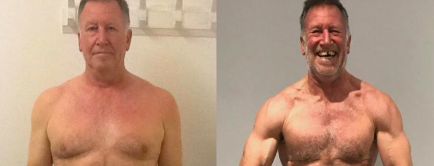

Here’s a fact-based, practical guide on how to build muscle safely and effectively after 60.
Why Building Muscle After 60 Matters
After age 50, the average person loses 1–2% of muscle mass per year. This loss can lead to weakness, falls, metabolic slowdown, and reduced independence. But studies from institutions like the Mayo Clinic and Harvard Health confirm that older adults respond positively to strength training, often gaining muscle at a similar rate to younger individuals—especially if they are new to lifting.
Beyond aesthetics, increased muscle mass improves:
Balance and mobility
Joint health and posture
Bone density
Glucose metabolism
Mental health
Start With Strength Training — Safely
1. Begin with Bodyweight and Resistance Bands
If you’re new to strength training, begin with low-impact exercises like:
Squats using a chair
Wall push-ups
Resistance band rows
Seated leg extensions
These exercises develop a foundation while protecting joints.
2. Progress to Light Weights and Machines
As strength improves, incorporate:
Dumbbells (5–15 lbs to start)
Weight machines for chest press, lat pulldown, and leg press
Cable machines for controlled resistance
Aim for 2–3 sessions per week, with at least one rest day in between.
3. Follow the “2x10 Rule”
Do each exercise twice per week, for two sets of 10–15 repetitions. Increase weight when the last rep feels too easy.
Nutrition: The Muscle Builder’s Ally
1. Prioritize Protein
Older adults need more protein to stimulate muscle growth. Experts recommend 1.2–1.6 grams of protein per kilogram of body weight per day. For a 160 lb (72 kg) person, that’s about 90–115 grams daily.
Good protein sources include:
Eggs
Chicken or turkey
Fish
Greek yogurt
Lentils and beans
Protein shakes (whey or plant-based)
2. Don't Skip Carbs and Healthy Fats
Carbs fuel your workouts, while fats support hormone production. Aim for:
Whole grains like oats and quinoa
Healthy fats from avocados, nuts, and olive oil
Supplements That May Help (With Doctor Approval)
Creatine Monohydrate: Well-studied for older adults; can enhance strength and muscle mass.
Vitamin D: Supports bone health and immune function.
Omega-3 fatty acids: Help reduce inflammation and may promote muscle retention.
Recovery and Rest Are Essential
Recovery takes longer with age. Ensure you:
Get 7–9 hours of sleep per night
Take rest days between workouts
Include stretching and mobility work (e.g., yoga, foam rolling)
Realistic Results to Expect
With consistency, beginners over 60 can gain:
1–2 lbs of muscle per month
Noticeable strength improvements in 6–8 weeks
Reduced body fat and better energy
Final Thoughts: It’s Never Too Late
As Dr. Mark Peterson, a researcher on aging and muscle from the University of Michigan, puts it:
“Aging is not a disease. We have tremendous capacity to adapt—even into our 80s and beyond.”
Building muscle after 60 is not just possible—it’s transformative. With the right mindset, training, and fuel, your strongest years might still be ahead of you.
Always consult your doctor before starting any new fitness or nutrition program.
the LA Hours © 2024
Reframe your inbox
Subscribe to our newsletter and never miss a story.
We care about your data in our privacy policy.