
How to Beat the Climb in Gas Prices This Summer in California
Here's a deep dive on what’s driving gas prices up in California starting July 1—and how you, the savvy driver, can save this summer.
COMMUNITYFEATURED
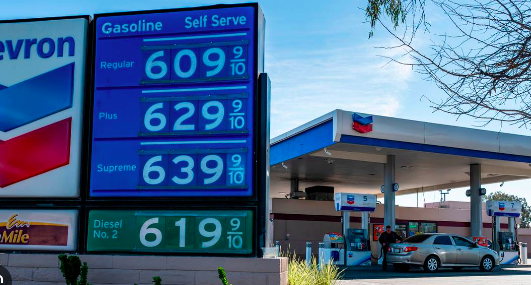
Why gas prices will rise from July 1
1. Two concurrent state policy changes
The state gas excise tax will tick up from 59.6¢ to 61.2¢ per gallon—an automatic annual adjustment for inflation passed in 2017.
Low Carbon Fuel Standard (LCFS) adjustments go into effect the same day. These require fuel suppliers to further reduce carbon intensity, effectively increasing costs by about 5–8¢/gal.
Together, that’s roughly 7–9¢ per gallon added beginning July 1.
2. Refinery closures = shrinking supply
California anticipates losing about 20–21% of in-state refining capacity as Phillips 66 (Los Angeles) closes by late 2025 and Valero (Benicia) by April 2026.
USC’s Michael Mische projects prices reaching $6.43/gal post-Phillips shutdown, and potentially $8.43/gal by late 2026 after Valero closes.
In the short term, the California Energy Commission warns prices could climb 15–30¢/gal immediately after these closures.
What this means for you this summer
From July 1 onward, expect pump prices to be 7–10¢ higher right off the bat.
As refinery capacity drops and supply tightens, price spikes of 50¢ to over $1/gal aren't out of the question—especially after the Phillips and Valero shutdowns.
Five strategic ways to cut commuting costs this summer
1. Find the cheapest stations
Use apps like GasBuddy or Gas Guru to compare prices. Even saving ¢5–10 per fill-up adds up fast.
Also consider loyalty programs—Costco, Shell (T-Mobile Tuesdays), grocery chains like Ralphs/Vons/Kroger, and cash-back credit cards can offer savings of 10–25¢/gal.
2. Drive smart
Accelerate gently and coast to stops—avoid jackrabbit starts; driving smoothly can noticeably boost MPG.
Keep tires properly inflated (low pressure can cost ~1 MPG) and stay on cruise control when possible.
3. Reduce idle time
Turn off your engine if you’ll be stopped for more than 60 seconds—idling burns ¼–½ gallon/hour money.usnews.com.
4. Optimize trips
Batch errands or errands on your commute to avoid extra trips. Combine stops and plan routes ahead.
5. Explore alternatives
Carpool to split costs per mile.
Public transit (bus, rail) is often cost-effective.
Bike or e-bike for short trips—many in SoCal find commuting easier this way.
Hybrid or EV? If you drive a lot, consider long-term savings from better mileage or electricity.
Final takeaway
July 1 brings a modest hike (~7–9¢/gal) due to tax and LCFS changes.
Over the next 12–18 months, refinery closures may spook prices dramatically—be ready.
Your best defense: plan, drive smart, shop around, and try alternatives.
Stay ahead this summer—by combining a few of these tactics, you can offset price hikes and maybe even save more than before.
the LA Hours © 2024
Reframe your inbox
Subscribe to our newsletter and never miss a story.
We care about your data in our privacy policy.