
How Trump's Future Tariff's Plans Could Affect Consumers
WORLD NEWSFEATURED
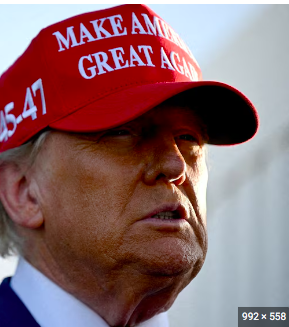
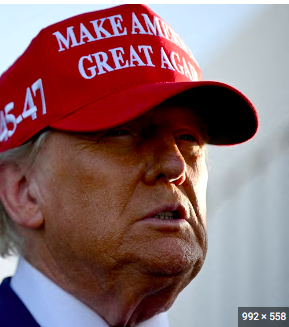
As of now, the specific goods that would be affected by Trump tariffs in 2025 are uncertain, as trade policy and tariff decisions often depend on a variety of factors, including ongoing trade negotiations, international relations, and the political landscape at the time. However, based on historical trends from Trump's previous administration, the following categories of goods are likely to be at risk of higher tariffs or additional duties:
1. Electronics and Technology
Smartphones, Laptops, and Computers: These products, often imported from China, were heavily targeted by Trump-era tariffs. If tensions with China persist, similar tariffs could be imposed.
Semiconductors and Circuit Boards: Tech components essential for industries ranging from automotive to electronics may still face tariffs.
2. Consumer Goods
Clothing and Textiles: Many textiles and apparel are produced in China and other countries, which were previously impacted by tariffs.
Footwear: Like clothing, footwear, particularly imported from Asia, could see tariff increases.
3. Automobiles and Auto Parts
Imported Cars: During Trump's presidency, he threatened tariffs on imported vehicles, particularly those from Europe and Japan. If such policies continue, cars and auto parts could be subject to tariffs.
Auto Parts: Components like tires, batteries, and electronics often face higher tariffs due to trade tensions.
4. Steel and Aluminum
Raw Materials: The steel and aluminum industries were key targets of tariffs, with the U.S. imposing levies on imports of these materials from China, Canada, and the EU. These could be extended or increased in 2025 if industrial policy remains a priority.
5. Agricultural Products
Soybeans, Pork, and Dairy: Trump's trade wars with China and other countries often affected U.S. farmers, especially for crops like soybeans and pork, which were retaliated against by foreign tariffs. U.S. agricultural exports could continue to face tariffs based on political relations.
Wheat and Corn: As key commodities, they may be affected by tariffs or retaliatory measures from major trading partners.
6. Luxury Goods
Watches, Jewelry, and High-End Fashion: Certain luxury goods that are primarily imported (from Europe and China) may still be affected, depending on trade negotiations.
7. Chemicals and Pharmaceuticals
Some raw chemicals and pharmaceutical ingredients, often imported from China, were subject to tariffs under Trump's administration. These could be reintroduced if trade relations sour again.
8. Toys and Sporting Goods
Toys: Many toys, especially from China, were hit with tariffs during Trump's tenure. If the U.S. targets Chinese imports again, these could face increased duties.
Sports Equipment: Sporting goods like bicycles, exercise machines, and certain outdoor gear could also be impacted by future tariffs.
9. Renewable Energy and Green Technologies
Solar Panels: Trump imposed tariffs on solar panels, particularly those from China. As renewable energy remains a focus of U.S. policy, there might be new tariffs on solar energy components if relations with key producers like China remain strained.
Electric Vehicles and Batteries: As electric vehicle technology advances, tariffs on lithium-ion batteries or vehicle parts from specific countries could rise.
Key Considerations for 2025:
China and Trade Relations: Much of the tariff activity in the past centered on China. If U.S.-China trade tensions continue, products made in China could remain subject to tariffs.
EU and Other Trade Partners: Trade disputes with Europe over issues like agriculture and luxury goods might influence tariffs on those products. Similarly, Mexico, Canada, and other key partners could be subject to tariffs based on broader trade strategies.
How to Prepare:
Diversify Suppliers: If you're a business owner, sourcing products from countries less likely to face tariffs can help mitigate risks.
Buy Ahead: If you anticipate price hikes due to tariffs on certain goods, buying in bulk before tariffs are applied could save money in the long term.
Ultimately, tariffs in 2025 will depend on the geopolitical landscape, trade agreements, and U.S. domestic policies at the time, so it's essential to stay informed about developments in global trade relations.
the LA Hours © 2024
Reframe your inbox
Subscribe to our newsletter and never miss a story.
We care about your data in our privacy policy.