
ICE can now raid churches and schools?
Immigration policies once limited ICE from searching schools and churches for illegal immigrants, but Trump's new administration policies will make that a thing of the past.
WORLD NEWSFEATUREDPOLITICS
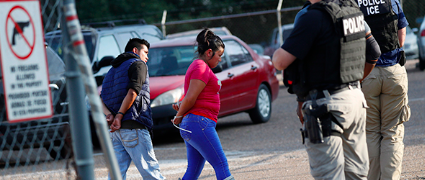
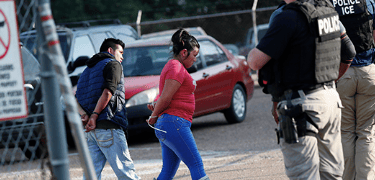
On January 21, 2025, President Donald Trump issued an executive order rescinding the longstanding policy that designated certain locations—such as schools, churches, and hospitals—as "sensitive areas" where U.S. Immigration and Customs Enforcement (ICE) and Customs and Border Protection (CBP) officers were previously restricted from conducting enforcement actions.
This policy shift permits federal immigration authorities to carry out arrests in these previously protected spaces, marking a significant change from the guidelines established during prior administrations. The original sensitive locations policy was designed to ensure that individuals could access essential services without fear of apprehension, thereby promoting community trust and public safety.
Implications for Communities
The revocation of these protections has raised concerns among immigrant communities and advocacy groups. There is apprehension that the presence of ICE in schools may deter parents from enrolling their children or sending them to class, potentially disrupting education and increasing absenteeism. Similarly, the possibility of enforcement actions in churches could discourage individuals from participating in religious services or seeking sanctuary, undermining the role of these institutions as safe havens. Hospitals, which serve as critical access points for healthcare, may also see a decline in patients seeking medical attention due to fear of arrest, posing public health risks.
Responses from Local Authorities
In response to the federal policy change, some local jurisdictions are taking steps to reaffirm their commitment to protecting immigrant communities. For instance, the Bridgeport Public Schools district announced guidelines to safeguard students in the event of attempted ICE raids, emphasizing that agents are prohibited from entering school buildings, boarding buses, or attending school events without prior written approval from the superintendent. Interim Superintendent Dr. Royce Avery stated, "Every student in Bridgeport, regardless of their immigration status, has the right to feel secure and supported in our schools."
Advocacy and Legal Perspectives
Advocacy organizations have criticized the administration's decision, arguing that it instills fear within communities and deters individuals from accessing essential services. Heidi Altman, federal advocacy director at the National Immigration Law Center, highlighted the broader implications, stating that the policy change "will impact every person in our country—immigrant and U.S.-born alike." Legal experts also express concerns that this move may lead to challenges regarding the violation of individuals' rights and the potential for increased litigation against enforcement agencies.
Conclusion
The authorization for ICE to conduct raids in schools, churches, and hospitals represents a pivotal shift in U.S. immigration enforcement policy. As this new directive is implemented, its effects on community trust, access to essential services, and the daily lives of immigrants and citizens alike will become more apparent. The balance between enforcing immigration laws and maintaining the sanctity of institutions traditionally viewed as safe spaces remains a contentious and deeply impactful issue.
the LA Hours © 2024
Reframe your inbox
Subscribe to our newsletter and never miss a story.
We care about your data in our privacy policy.