
Smoke in the Gut — How Cigarettes Reshape Our Microbes
A study found how smoking produces certain metabolites (like hydroquinone) that may worsen Crohn’s disease but have a surprising protective factor against ulcerative colitis.
HEALTH
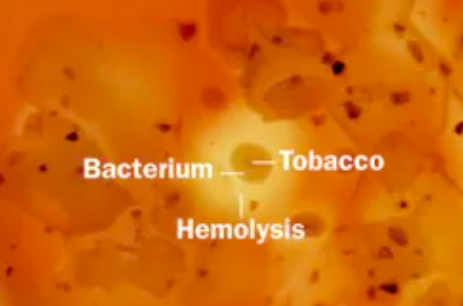
We all know smoking wrecks the lungs. It blackens the teeth, stiffens arteries, ages skin. But a new study suggests cigarettes do something stranger: they warp the gut microbiome, the hidden ecosystem of trillions of microbes that regulate digestion, immunity, even mood.
“Your microbes don’t smoke,” said Dr. Priya Singh, lead author of the study. “But they suffer the consequences.”
What the Study Found
Researchers compared stool samples from smokers, non-smokers, and ex-smokers. The results were striking:
Smokers had fewer beneficial bacteria that aid digestion.
They had more microbes linked to inflammation and chronic disease.
Ex-smokers showed gradual recovery, but it took years for their microbiomes to resemble those of non-smokers.
The findings suggest tobacco’s reach extends far beyond lungs or blood vessels. It alters the invisible community inside us.
How Does Smoke Reach the Gut?
The mechanism isn’t fully clear. Chemicals from tobacco may pass into the bloodstream, affecting immune responses and gut lining permeability. Stress hormones linked to nicotine may also shift microbial populations. The result: a gut ecosystem tilted toward disease.
This could explain why smokers are more prone not just to cancer or heart disease, but to gastrointestinal issues like Crohn’s disease and ulcers.
Another Reason to Quit
For public health experts, the findings are both sobering and motivating. “It’s another nail in the coffin of smoking,” Singh said. “If lung cancer doesn’t scare you, maybe gut disease will.”
The study also highlights the resilience of the microbiome. Quit smoking, and your microbes — slowly but surely — bounce back.
The Quirky Twist
In its own way, the research underscores how interconnected we are with our microbial passengers. Every puff of smoke doesn’t just enter our lungs; it ripples through a hidden universe inside us.
It’s a reminder that the smallest creatures in our bodies may be the most sensitive — and the most telling.
the LA Hours © 2024
Reframe your inbox
Subscribe to our newsletter and never miss a story.
We care about your data in our privacy policy.