
The Eaton Fire: Five months later, looking back and driving forward
Life and restoration post Eaton fire--taking a look back to see how far these SoCal cities have come.
COMMUNITYFEATURED
Five months after the devastating Eaton Fire scorched over 14,000 acres of rugged terrain in Los Angeles County, recovery efforts are well underway—though challenges remain. The wildfire, which ignited in the early hours of December 12, 2024, in the foothills above Altadena, left a trail of destruction, forcing thousands to evacuate and testing the limits of emergency response systems already strained by a record-breaking fire season.
Now, in May 2025, the scars are still visible—but so is the resilience of the community.
Rebuilding the Landscape
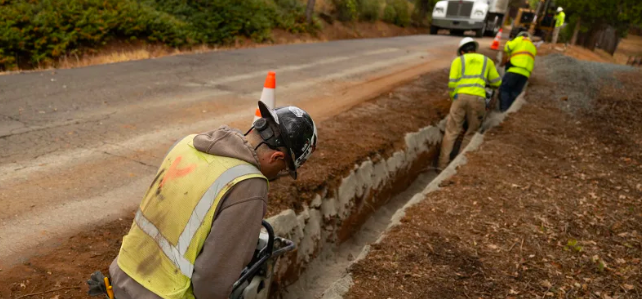
The Angeles National Forest bore the brunt of the Eaton Fire’s fury. Crews from the U.S. Forest Service, alongside CalFire and local volunteers, have worked tirelessly since containment to stabilize slopes, prevent erosion, and replant native vegetation. So far, over 3,000 acres of land have undergone erosion control treatments, including the installation of wattles, mulching, and temporary barriers to protect watersheds from post-fire flooding.
Biologists from the California Department of Fish and Wildlife have begun restoring key wildlife corridors and monitoring endangered species that call the area home, such as the Arroyo toad and California spotted owl. Early signs suggest that some native species are returning faster than expected, but officials caution that full ecological recovery could take a decade or more.
Homes and Infrastructure
In the Altadena and Pasadena foothill neighborhoods affected by the fire, the rebuilding process is slower but steady. According to the Los Angeles County Department of Public Works, 62 residential structures were lost, with another 115 sustaining damage. As of May, 41 building permits for reconstruction have been approved, and 18 homes are already under construction.
Utility companies have restored nearly all water, gas, and electricity lines in the impacted zones. However, some residents in high-risk areas remain under enhanced evacuation readiness status due to lingering fire debris and dry weather conditions.
Community Resilience
Perhaps the most inspiring progress is seen in the community’s response. Local non-profits like the Eaton Recovery Alliance and LA Fire Relief have raised more than $2.7 million to support fire victims with temporary housing, food, and counseling services. Volunteer groups have helped clean up properties, distribute supplies, and host mental health workshops.
“People are still traumatized, but we’re healing together,” said Maria Torres, a community organizer whose own home narrowly escaped the flames. “This fire was a wake-up call, and we’re responding not just by rebuilding, but by rethinking how we live with wildfire.”
Lessons and Looking Forward
In the aftermath of the fire, LA County and CAL FIRE have revised evacuation protocols, upgraded fire detection systems with AI-powered monitoring, and expanded brush clearance regulations. A new firebreak, 7 miles long, is currently being carved into the hillsides west of Eaton Canyon to prevent future flare-ups.
Climate scientists warn that the Eaton Fire may not be a once-in-a-generation event, but rather a harbinger of a more fire-prone future. With temperatures rising and drought conditions persisting, fire season is now effectively year-round in Southern California.
Still, there is hope.
“The land will heal. The people will rebuild. What matters is that we learn and adapt,” said Ranger Daniel Kim of the U.S. Forest Service. “This community has shown it’s capable of doing both.”
the LA Hours © 2024
Reframe your inbox
Subscribe to our newsletter and never miss a story.
We care about your data in our privacy policy.