
The Secret Heat Within: Unlocking Fat’s Hidden Furnace
Researchers have discovered a heat-generation mechanism in fat tissue independent of the usual known protein (UCP1). It involves different organelles and metabolic pathways. Nature Projections suggest that many Caribbean coral reefs may erode or degrade by 2100, with sea-level rise outpacing reef growth — a serious warning for restoration efforts.
HEALTHINNOVATIONFEATURED
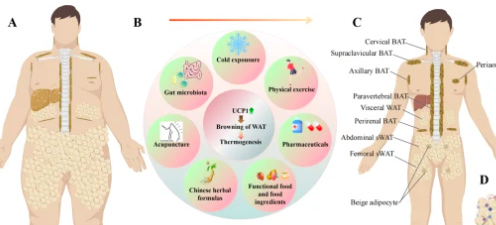
For years, the story of fat has been one of villainy. It clings to waistlines, fuels epidemics of obesity, and fills medical charts with warnings. Yet deep within our cells, scientists have uncovered a hidden twist: fat isn’t just storage. It’s also a furnace—and one with more tricks than we ever knew.
In a recent breakthrough, researchers discovered that fat cells can generate heat independently of the well-known protein UCP1. Long thought to be the body’s only molecular “switch” for burning fat into heat, UCP1 has been joined by an unexpected partner: a completely different mechanism involving cellular organelles and novel biochemical pathways.
“This is a paradigm shift,” says Dr. Maria Gonzalez, a metabolic biologist. “We’ve always believed UCP1 was the sole driver of thermogenesis in fat. But now we see there are alternate systems, like backup furnaces, that keep the body warm and metabolically active.”
Rethinking the Biology of Fat
The implications are enormous. Thermogenesis—the process of producing heat from energy—plays a role in weight regulation, cold tolerance, and even aging. If fat can switch on multiple furnaces, then therapies for obesity and metabolic disorders could expand beyond what was ever possible.
“Imagine being able to activate these hidden pathways in people struggling with obesity,” Gonzalez says. “We could increase energy expenditure without relying solely on diet or exercise. It’s not a magic pill, but it’s a new dimension of treatment.”
From Mice to Medicine
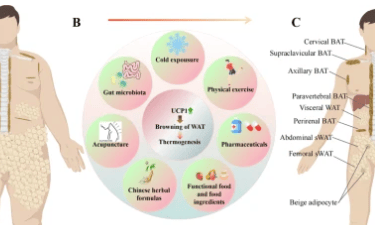
Much of the work so far has been in mice, whose fat biology often mirrors our own. But human trials are already being discussed. If scientists can identify drugs or lifestyle triggers—cold exposure, certain nutrients, maybe even exercise regimens—that awaken this hidden furnace, it could revolutionize public health.
Of course, risks remain. Turning on cellular heat production without control could stress organs or deplete energy reserves. “It’s like revving an engine,” warns Dr. Arun Patel, a clinical endocrinologist. “Great for short bursts, but dangerous if sustained without balance.”
A Warmer View of Fat
Culturally, the discovery also reframes how we think about fat. It’s not just the enemy in the mirror. It’s a complex, dynamic tissue with hidden abilities—an ally in survival. “Evolution didn’t give us fat to torment us,” Gonzalez laughs. “It gave us fat to live through winters.”
If science can learn to harness that original purpose, the future of medicine could be brighter—and warmer.
the LA Hours © 2024
Reframe your inbox
Subscribe to our newsletter and never miss a story.
We care about your data in our privacy policy.